The Science Behind Survival Blankets How They Work to Retain Body Heat
The Science Behind Survival Blankets: How They Work to Retain Body Heat
Introduction
Survival blankets, also known as emergency blankets or space blankets, are essential tools for outdoor enthusiasts, hikers, campers, and emergency responders. These lightweight, compact sheets are designed to help retain body heat in emergency situations, preventing hypothermia and providing much-needed warmth. But how exactly do survival blankets work to keep you warm? Let's delve into the science behind these lifesaving tools.
1. Reflective Material
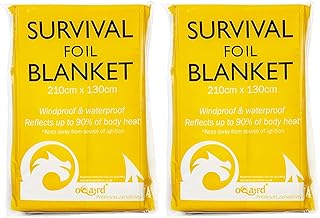
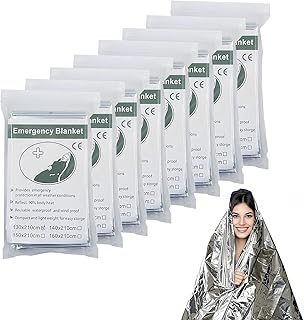
One of the key components of survival blankets is their reflective material. Typically made from a thin and lightweight polyester film coated with a metallic layer, this material is highly reflective and helps to retain up to 90% of your body heat. When you wrap yourself in a survival blanket, the reflective material prevents heat from escaping by reflecting it back towards your body, creating a barrier against the cold air outside.
2. Insulation
In addition to their reflective properties, survival blankets also provide insulation. The thin film of the blanket traps air between your body and the blanket, creating a layer of insulation that helps to slow down heat loss. This insulation is crucial in cold environments where maintaining body temperature is essential for survival.
People Also Look For:
- Bramble 10 Emergency Foil Blankets 210 x 160cm - Camping, Baby Sensory Foil Blanket Insulated Survival Blankets
- Emergency Thermal Blankets , Survival Reflective Thermal First Aid Foil Blanket (Silver,30 Pack)
- WINKIM Emergency Blanket, Thermal Foil Blankets First Aid (Large-12-Pack) Space Survival Blanket for Camping Hiking (210x140cm)
- Lifesystems Heatshield Emergency Thermal Blanket
- Steroplast Emergency Foil Camping Blanket Hiking First Aid
3. Waterproof and Windproof
Survival blankets are often waterproof and windproof, further enhancing their ability to retain body heat. By shielding you from the elements, these blankets help to prevent moisture from seeping in and wind from stripping away your body heat. This added protection is vital in emergency situations where exposure to the elements can lead to rapid heat loss and hypothermia.
4. Compact and Portable
Another advantage of survival blankets is their compact and portable design. These blankets are lightweight and can be folded into a small, easy-to-carry package, making them ideal for inclusion in emergency kits, backpacks, or first aid supplies. Their portability ensures that you can always have a reliable source of warmth on hand, whether you're hiking in the mountains or facing a survival situation.
5. Versatility
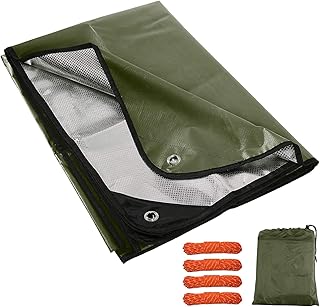
Survival blankets are incredibly versatile and can be used in a variety of ways to retain body heat. In addition to wrapping yourself in the blanket, you can also use it as a ground cover to insulate yourself from the cold ground, as a makeshift shelter to protect against wind and rain, or even as a signaling device to attract attention in emergency situations. The versatility of survival blankets makes them indispensable tools for survival in the great outdoors.
Overall, the science behind survival blankets is rooted in their reflective material, insulation, waterproof and windproof properties, compact design, and versatility. By understanding how these blankets work to retain body heat, you can better appreciate their importance as essential tools for staying warm and safe in emergency situations. Whether you're an avid hiker, camper, or emergency responder, having a survival blanket on hand can make all the difference in ensuring your survival in challenging environments.